Pilih Basa
Amérika
English (English) Kreyòl Ayisyen (Haitian Creole) Português (Brasil) (Portuguese (Brazil)) Español (Spanish)
Éropa
Afrikaans (Afrikaans) Shqip (Albanian) Հայերեն (Armenian) Azərbaycanca (Azerbaijani) башҡорт (Bashkir) Euskara (Basque) Беларуская (Belarusian) Bosanski (Bosnian) brezhoneg (Breton) Български (Bulgarian) Català (Catalan) Hrvatski (Croatian) Čeština (Czech) Dansk (Danish) Nederlands (Dutch) Esperanto (Esperanto) Eesti (Estonian) Føroyskt (Faroese) Suomi (Finnish) Français (French) Galego (Galician) Deutsch (German) Ελληνικά (Greek) Magyar (Hungarian) Íslenska (Icelandic) Gaeilge (Irish) Italiano (Italian) Latina (Latin) Latviešu (Latvian) Lietuvių (Lithuanian) Lëtzebuergesch (Luxembourgish) Македонски (Macedonian) Malti (Maltese) Norsk (Norwegian) Norsk bokmål (Norwegian Bokmål) occitan (Occitan) Polski (Polish) Português (Portuguese) Română (Romanian) Русский (Russian) Српски (Serbian) Slovenčina (Slovak) Slovenščina (Slovenian) Svenska (Swedish) татар (Tatar) Türkçe (Turkish) Türkmen (Turkmen) Українська (Ukrainian) Cymraeg (Welsh)
Asia jeung Pasifik
অসমীয়া (Assamese) বাংলা (Bengali) မြန်မာ (Burmese) 简体中文 (Chinese (Simplified)) 繁體中文 (Chinese (Traditional)) ქართული (Georgian) ગુજરાતી (Gujarati) ʻŌlelo Hawaiʻi (Hawaiian) हिन्दी (Hindi) Bahasa Indonesia (Indonesian) 日本語 (Japanese) Jawa (Javanese) ಕನ್ನಡ (Kannada) Қазақ (Kazakh) ខ្មែរ (Khmer) 한국어 (Korean) Кыргызча (Kyrgyz) ລາວ (Lao) Bahasa Melayu (Malay) മലയാളം (Malayalam) Māori (Maori) मराठी (Marathi) Монгол (Mongolian) नेपाली (Nepali) ଓଡ଼ିଆ (Odia) ਪੰਜਾਬੀ (Punjabi) संस्कृत भाषा (Sanskrit) සිංහල (Sinhala) Basa Sunda (Sundanese) Tagalog (Tagalog) Тоҷикӣ (Tajik) தமிழ் (Tamil) తెలుగు (Telugu) ไทย (Thai) བོད་སྐད་ (Tibetan) Oʻzbekcha (Uzbek) Tiếng Việt (Vietnamese)
Wétan Tengah jeung Afrika
አማርኛ (Amharic) العربية (Arabic) Hausa (Hausa) עברית (Hebrew) Igbo (Igbo) Kinyarwanda (Kinyarwanda) Kurdî (Kurdish) lingála (Lingala) Malagasy (Malagasy) پښتو (Pashto) فارسی (Persian) chiShona (Shona) سنڌي (Sindhi) Soomaali (Somali) Kiswahili (Swahili) ትግርኛ (Tigrinya) اردو (Urdu) Wolof (Wolof) isiXhosa (Xhosa) ייִדיש (Yiddish) Yorùbá (Yoruba) isiZulu (Zulu)

MOLECULAR SEQUENCE ANALYSIS

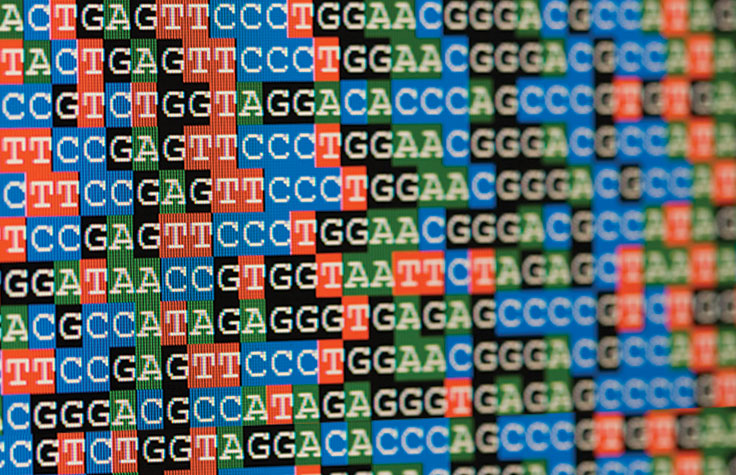
The process of subjecting a DNA, RNA or peptide sequence to any of a wide range of analytical methods to understand all features etc..

MOLECULAR SEQUENCE ANALYSIS MOLECULAR SEQUENCE ANALYSIS MOLECULAR... SDI LEARNING PLATFORM
Gratis Mimitian ayeuna!

Naon nu bakal anjeun diajar?

INTRODUCTION TO MOLECULAR SEQUENCE ANALYSIS
Introduction to Sequence Alignment
lock

In this lesson you will understand what SequenceAlignmnet is all about, the essence and  possible practical analysis that could rise at any time relating to this course in Bioinformatics. You will understand the prcatical analysis of Mutation and engage research analysis on various mutation problems...

Open, download and study the Class room Content below.

Eusi kelas
Dokumén Power Point - 298 KB
MULTIPLE SEQUENCE ALIGNMENT $ PHYLOGENETICS
Practical Applications [Multiple Sequence Alignment and Phylogenetics]
lock

Below is the practical applications of Multiple Sequence Alignment and Phylogenetics...

Explore the classroom content, watch the video carefully and gain notable experience in handling analysis relating to this topic of interest.

Eusi kelas
Video
PAIRWISE SEQUENCE ALIGNMENT 1
Pairwise Sequence Alignment And Mutation Analysis.
lock

In this lesson you will discover a wide range of knowledge on how to run a pairwise Alignment and enage Mutation Analysis of divers Diseases related Issues... 

Explore the content below...

Eusi kelas
Video
EXAMINATION
MUTATION RESEARCH ANALYSIS (Pairwise 2)

Ngeunaan kursus

This Course shall explore you into understanding what Molecular Sequence analysis is all about. Ranging from Multiple Sequence Alignment, Pairwise Sequence Alignment, Phylogenetic Analysis, Evolutionary Understanding and it's practical applications in drug design and discovery, Looking for similarity and differences in between divers organisms such as plants, animals and microorganisms...

   During the course of this study, you will understand and be able to perform mutaional Analysis on various biological problems such cancer, diseases etc. Alongside. You will also gain notable experience and ability to perform practicals analysis and engage series of research projects associated with this course outline in Genomics Study on your own... 

Don't Stop, explore and build yourself to gain relevance in your field of study...

Info séjén

Ngeunaan guru

Oluwaseyi Olawale

Bio-seq Analyst and Consultant.

A Microbiology student of Ladoke Akintola University of Technology. An expertise in Bioinformatics and Genomic analysis, A Co founder of SDI and intelligent researcher and trainer in bioinformatics  related courses. 

He has worked alongside university lecturers, Undergraduate and master students on analysis of research projects and trained many students from different regions. 

SDI LEARNING PLATFORM

A place where skillful geniuses and innovative elites are built to impact the world and change the society.
Téknologi